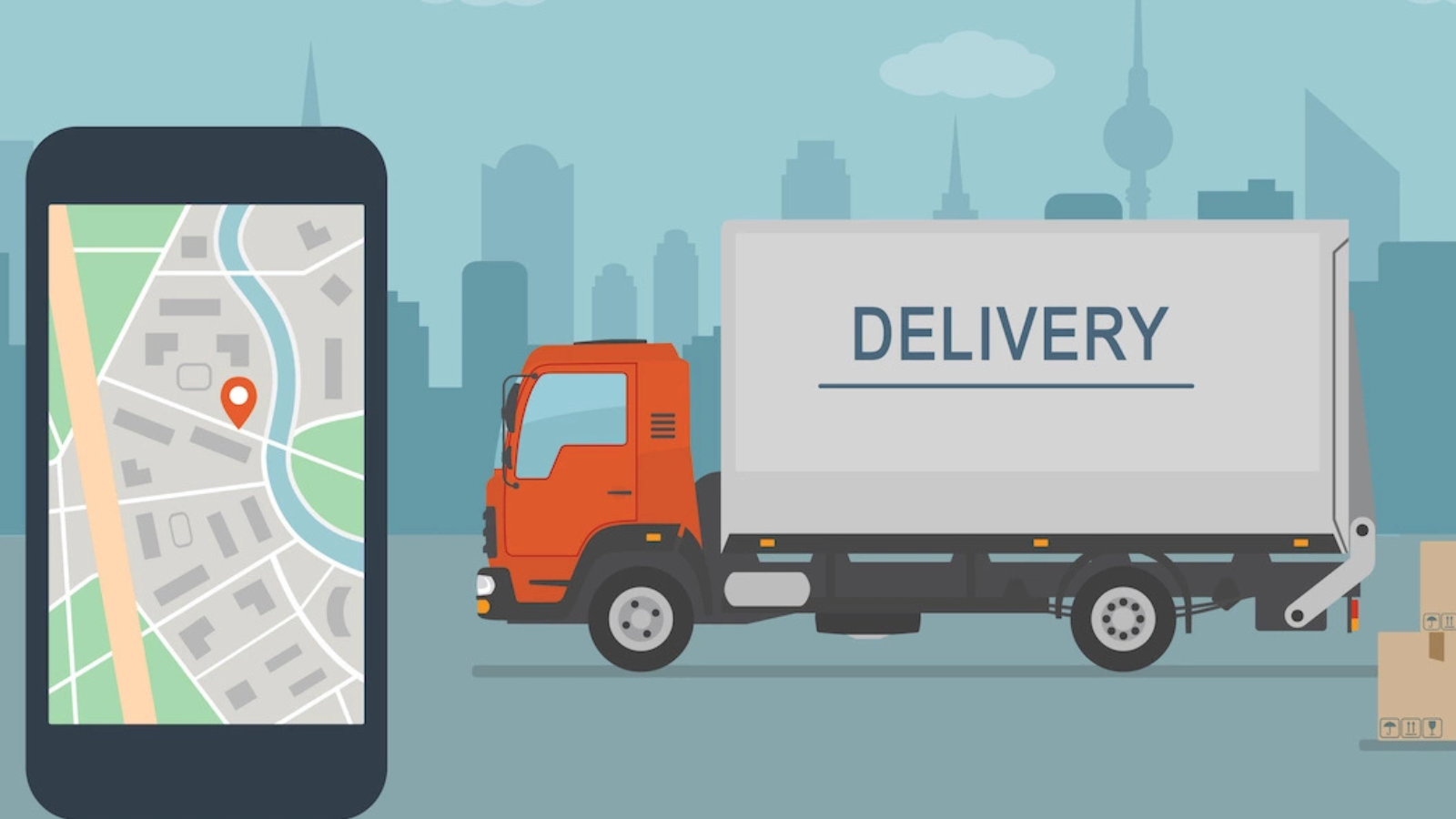
Last-mile delivery refers to the final step of the delivery process when a product reaches the customer’s doorstep. Although it may cover the shortest distance, it is often the most expensive and complex part of the supply chain.
Today’s customers expect ultra-fast delivery—same-day or even 2-hour delivery in many cities. Meeting these expectations requires efficient planning, real-time tracking, and a strong delivery network. Traffic congestion, remote locations, failed deliveries, and rising fuel costs further add challenges.
Last-mile delivery is also critical from a customer satisfaction point of view. Even if the entire supply chain works perfectly, a late or damaged delivery can ruin the customer’s experience. Hence, logistics companies invest heavily in improving this stage using technology like route optimization software, automated notifications, and digital proof of delivery.
To reduce costs, many companies use micro-warehouses or local distribution centers closer to customers. Drones, e-bikes, and electric vans are also being tested to improve speed and sustainability.
As e-commerce continues to grow, optimizing last-mile logistics will become even more essential. Companies that master this stage will not only reduce operational expenses but also win customer loyalty.