In today’s fast-growing business landscape, warehousing has become a strategic necessity rather than an optional part of logistics. From small e-commerce sellers to large manufacturers, every business requires reliable warehousing services to store, manage, and distribute goods efficiently. A well-planned warehouse ensures smooth supply chain flow, reduces operational costs, prevents stock loss, and helps businesses deliver products to customers on time.
This comprehensive article explores what warehousing services include, why they matter, the types of warehouse services offered by logistics companies, and how businesses benefit from modern warehouse management technology.
What Are Warehousing Services?
Warehousing services refer to the processes involved in storing goods safely until they are required for distribution or sale. Logistics companies provide warehouse facilities along with value-added services like inventory control, packaging, labeling, distribution, order processing, loading, unloading, and transportation.
These services ensure that businesses do not need to maintain their own storage spaces, workforce, or equipment. Instead, they rely on professional logistics providers who manage everything from storage conditions to stock handling.
Why Warehousing Is Important in Logistics
Warehousing plays an essential role in the entire supply chain. Without proper warehouse management, businesses face issues like delayed shipments, inaccurate stock levels, product damage, and high supply chain costs.
Here are the major reasons why warehousing is crucial in logistics:
1. Ensures Safe Storage of Goods
Warehouses provide secure, temperature-controlled, and organized storage spaces suitable for all types of goods—raw materials, finished products, fragile items, perishables, electronics, pharmaceuticals, and more.
2. Stabilizes Supply and Demand
When customer demand fluctuates, warehouses help maintain sufficient stock levels. Businesses can store surplus goods during low-demand periods and release them when demand rises.
3. Improves Order Accuracy
Warehouses use advanced systems to track stock movement, ensuring customers receive accurate and timely orders.
4. Reduces Transportation Costs
Strategically located warehouses help businesses position goods closer to customers, reducing long-distance freight expenses.
5. Enhances Customer Satisfaction
Quick dispatch, low damage rates, and accurate deliveries significantly improve customer experience.
Types of Warehousing Services Offered by Logistics Companies
Modern logistics companies provide a wide range of warehouse services tailored to different industries and requirements. Some of the most common services include:
1. Storage Services
This includes long-term and short-term storage in a secure facility. Warehouses may provide:
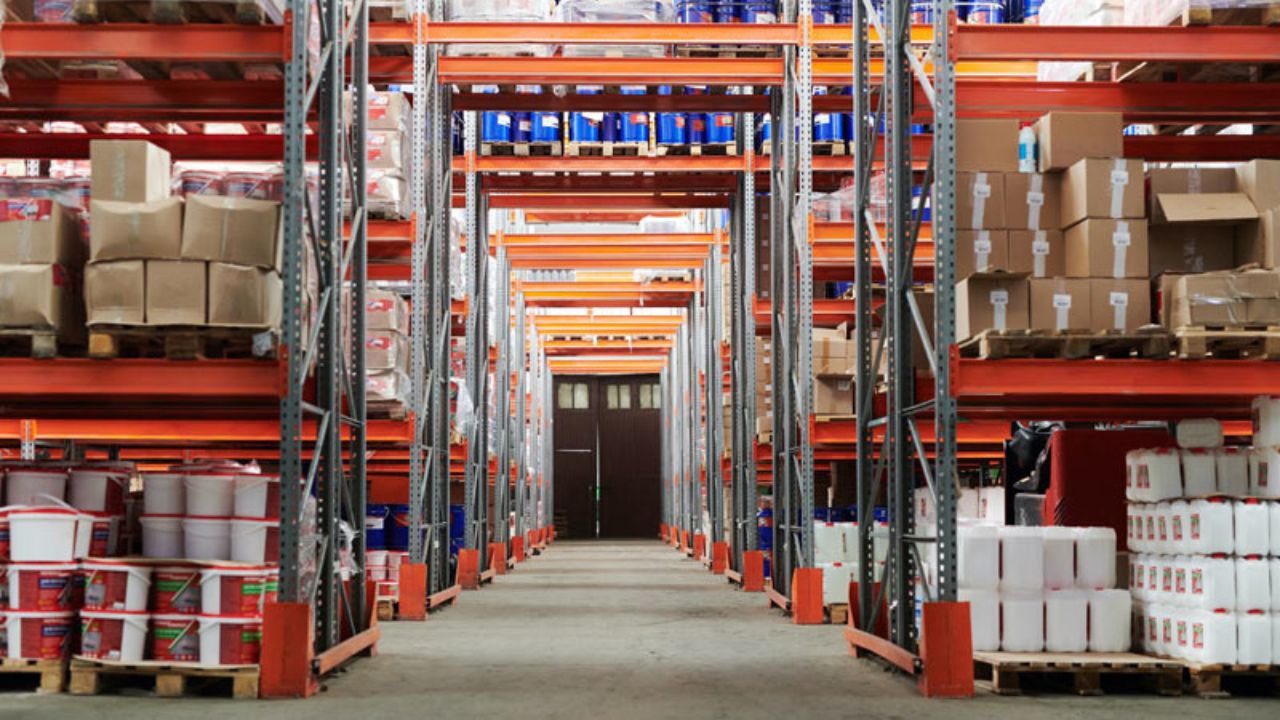
- Palletized storage
- Bulk storage
- Rack storage
- Cold storage
- Hazardous goods storage
- Bonded warehousing
Each storage type is designed to protect products based on size, weight, material, and temperature requirements.
2. Inventory Management
Inventory management is one of the most important services in warehousing. Logistics companies track stock levels, record incoming and outgoing goods, generate reports, and maintain optimal inventory to avoid excess or shortage.
Key inventory activities include:
- Stock audits
- Barcode/RFID-based tracking
- Regular stock rotation (FIFO, FEFO methods)
- Demand forecasting
3. Order Fulfillment Services
Warehouses are no longer just storage spaces—they are fulfillment hubs. Order fulfillment includes:
- Picking items from shelves
- Packing them securely
- Labeling
- Dispatching orders to customers
This is especially important for e-commerce brands.
4. Warehouse Handling Services
These services involve the physical movement of goods inside the warehouse.
- Loading and unloading
- Palletizing
- Sorting
- Repacking
- Re-labeling
- Scanning and quality checks
Professional warehouse teams ensure goods are managed safely and efficiently.
5. Value-Added Services
Many logistics companies offer additional services to increase product quality and reduce handling time:
- Kitting & assembly
- Custom packaging
- Quality inspections
- Shrink-wrapping
- Bundling
- Returns management
These services help businesses streamline their operations without hiring extra labour.
6. Cold Chain Warehousing
Industries like food, dairy, meat, flowers, and pharmaceuticals require temperature-controlled environments. Cold warehouses maintain temperatures between –20°C to +25°C, ensuring product freshness and safety.
7. Bonded Warehousing
Bonded warehouses are approved by customs authorities to store imported goods without paying duties immediately. This helps businesses delay tax payments until goods are sold or distributed.
8. Cross-Docking Services
Cross-docking allows goods to be transferred directly from inbound trucks to outbound vehicles with minimal storage. This reduces shipping time and improves supply chain efficiency.
Features of a Modern Logistics Warehouse
Today’s warehouses are technology-driven, automated, and highly organized. Here are some features of a high-quality logistics warehouse:
1. Warehouse Management System (WMS)
A WMS is a software that monitors warehouse operations, including:
- Real-time stock visibility
- Automated picking routes
- Inventory tracking
- Billing and documentation
- Order processing
A strong WMS reduces errors and increases accuracy.
2. Safety and Security Measures
Warehouses follow strict safety procedures:
- CCTV surveillance
- Fire safety systems
- Access control
- Anti-theft alarms
- Trained staff for material handling
This ensures the safety of both goods and workers.
3. Advanced Equipment
Professional warehouses use:
- Forklifts
- Stackers
- Hand trucks
- Conveyors
- Dock levelers
- Pallet jacks
These improve speed and reduce manpower.
4. Temperature Control
For fragile and perishable goods, warehouses maintain controlled environments to prevent spoilage.
5. Strategic Location
Good warehouses are located near highways, ports, airports, and industrial zones to reduce transportation time and fuel costs.
Benefits of Using Professional Warehousing Services
Businesses gain various advantages when they use third-party warehousing services instead of managing storage on their own:
1. Cost Savings
Setting up a warehouse requires huge investments—land, construction, labour, technology, equipment, security, etc. Outsourcing eliminates these costs.
2. Focus on Core Business
Companies can focus on production and sales while logistics partners handle storage and distribution.
3. Scalability
Warehousing services allow businesses to increase or decrease storage space based on seasonal demand.
4. Faster Deliveries
With strategically placed warehouses, delivery time reduces drastically.
5. Lower Product Damage
Professional warehouse staff ensures goods are stored safely using the right techniques.
6. Better Inventory Control
Businesses receive detailed stock reports, allowing them to make better purchasing decisions.
7. Support for E-commerce Growth
Warehousing is the backbone of e-commerce. Without proper fulfillment operations, online sellers cannot handle large order volumes.
Challenges in Warehousing and How Logistics Companies Overcome Them
Even the best warehouses face challenges like:
- Poor stock visibility
- Space constraints
- Manual errors
- High labour turnover
- Seasonal demand spikes
Logistics companies solve these problems through:
- Automated storage systems
- Data-driven forecasting
- Skilled staff
- Real-time tracking
- Robust warehouse layouts
How Technology Is Changing Warehousing
Technology has transformed traditional warehouses into smart, connected hubs. Some innovations include:
1. Automation & Robotics
Robots assist with picking, sorting, and moving goods, reducing errors and speeding up work.
2. Internet of Things (IoT)
Sensors track temperature, humidity, and equipment health.
3. Artificial Intelligence (AI)
AI predicts demand, improves stock planning, and optimizes workflow.
4. RFID & Barcode Systems
These provide accurate tracking of every item.
5. Drone Inventory Scanning
Some modern warehouses use drones to scan inventory at high racks.
Conclusion
Warehousing services are an essential part of modern logistics. They ensure safe storage, accurate inventory, fast fulfillment, and smooth distribution of goods. Whether a business deals with FMCG products, electronics, raw materials, medicines, or e-commerce orders, a reliable warehouse is crucial for successful supply chain management.
With advanced technology, skilled workforce, and strategic storage solutions, logistics companies today offer highly efficient warehousing services that help businesses reduce costs, improve customer satisfaction, and scale faster.