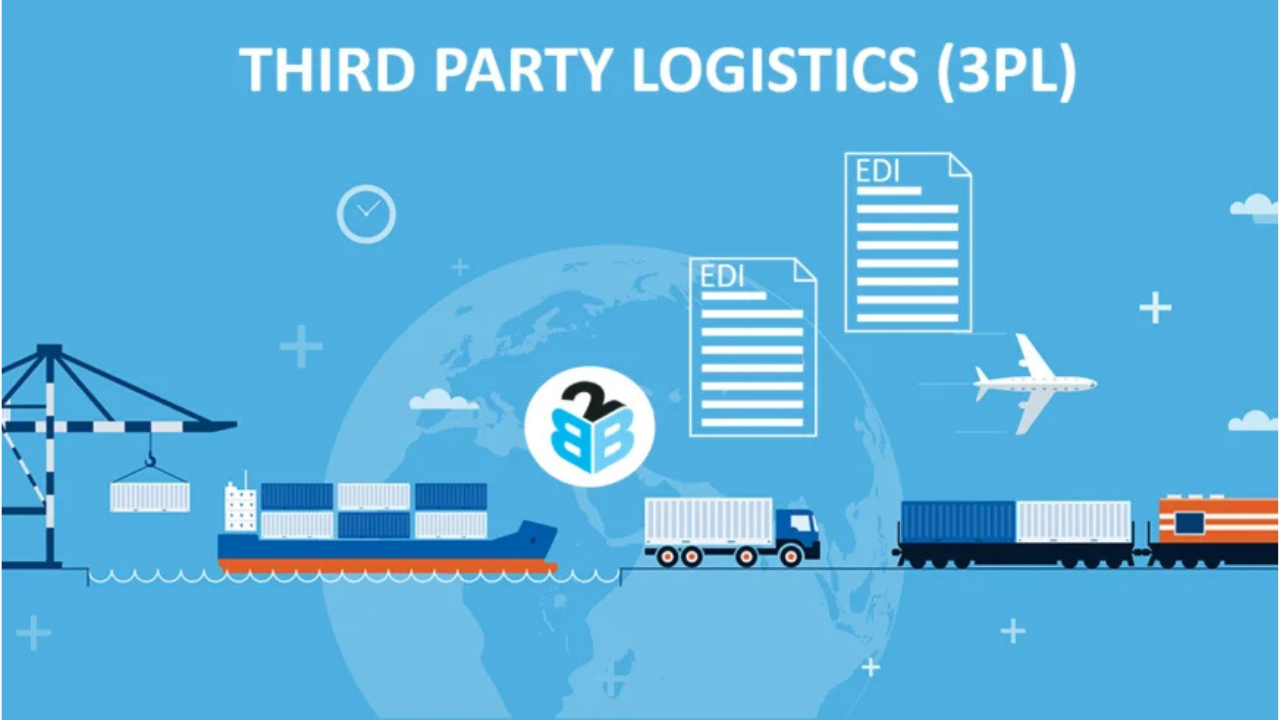
In today’s competitive business environment, companies are under constant pressure to deliver products faster, reduce costs, and improve customer satisfaction. Managing logistics in-house requires infrastructure, manpower, technology, vehicles, and continuous coordination. This is where Third-Party Logistics (3PL) services play a major role. A 3PL provider handles a company’s entire logistics operations—including warehousing, transportation, inventory management, order fulfillment, and distribution—allowing businesses to focus on their core activities.
This article provides a clear overview of what 3PL is, how it works, the key services involved, and the benefits businesses gain by partnering with a professional logistics provider.
What Is Third-Party Logistics (3PL)?
Third-Party Logistics refers to outsourcing logistics operations to a specialized service provider. Instead of maintaining their own warehouses, trucks, technology, and workforce, companies rely on 3PL providers to manage the supply chain efficiently.
A 3PL partner typically offers:
- Warehousing
- Transportation
- Inventory management
- Order processing
- Packaging
- Freight forwarding
- Distribution
- Reverse logistics
3PL services bring expertise, advanced technology, and scalability to business supply chains.
Why Do Businesses Need 3PL Services?
Modern companies face several logistics challenges—rising transportation costs, storage issues, delivery delays, inaccurate stock, and complex customer demands. 3PL services help solve these challenges by providing ready-made logistics infrastructure and professional management.
Here’s why 3PL is important:
1. Cost Reduction
Outsourcing logistics means businesses do not need to invest in warehouses, trucks, labour, and software. This significantly reduces capital and operational costs.
2. Faster and Accurate Deliveries
3PL providers use optimized routes, trained staff, and advanced systems to deliver orders faster and with higher accuracy.
3. Scalability
Whether it’s festive season or slow months, 3PL partners adjust storage and workforce capacity based on business demand.
4. Focus on Core Business
Companies can concentrate on product development, marketing, and customer service while 3PL manages supply chain tasks.
5. Access to Technology
3PL companies use technologies like WMS, TMS, GPS tracking, barcode/RFID scanning, and automated picking systems—without clients having to invest in them.
Key Services Provided by 3PL Companies
A professional 3PL provider offers several essential logistics services.
1. Warehousing & Storage
3PL companies provide secure storage spaces with:
- Pallet racking
- Bulk storage
- Temperature control
- Safety systems
- Skilled warehouse teams
They also handle inward/outward inventory, packing, and dispatch.
2. Transportation Management
3PL providers plan and manage transportation through:
- Route optimization
- Carrier selection
- Freight cost negotiation
- Real-time tracking
- On-time delivery
This ensures goods reach customers smoothly and affordably.
3. Inventory Management
Accurate inventory ensures smooth business flow. 3PL services include:
- Stock monitoring
- Cycle counting
- Reorder alerts
- FIFO/FEFO stock rotation
This reduces wastage and prevents stockouts.
4. Order Fulfillment
3PL warehouses act as fulfillment centers, handling:
- Picking
- Packing
- Labeling
- Dispatching
- Tracking updates
This is especially important for e-commerce companies.
5. Reverse Logistics
Handling returns is a complex task. 3PL partners manage:
- Product pickups
- Inspection
- Refurbishing
- Recycling
- Replacement shipping
This improves customer satisfaction and reduces operational burden.
How 3PL Works (Simple Process)
Here is how a 3PL service typically operates:
- Goods Arrive at the 3PL Warehouse – The company sends its inventory to the 3PL center.
- Storage & Inventory Management – Items are stored, tracked, and monitored.
- Order Placement – When a customer places an order, the 3PL receives the request.
- Picking & Packing – Warehouse teams pick items and pack them securely.
- Shipping – 3PL arranges transportation and delivers the order.
- Returns Handling – Returned goods are received, examined, and processed.
The entire process is supported by advanced logistics technology.
Benefits of Using 3PL Services
1. Lower Logistics Costs
No need to invest in expensive infrastructure.
2. Faster Delivery Performance
3PL ensures timely and efficient deliveries nationwide.
3. Reduced Errors
Technology and trained staff minimize mistakes in order processing.
4. Geographic Reach
3PL providers have multiple warehouses and transport networks, allowing businesses to expand into new regions.
5. Better Customer Satisfaction
Quick delivery, safe packaging, and reliable service lead to happier customers.
Conclusion
Third-Party Logistics (3PL) services are essential for businesses that want to grow without managing the heavy workload of logistics operations. By outsourcing warehousing, transportation, inventory, and fulfillment to a professional 3PL partner, companies save costs, improve efficiency, and deliver a better experience to their customers. In today’s fast-paced market, partnering with a reliable 3PL provider is not just an option—it is a smart business strategy.