
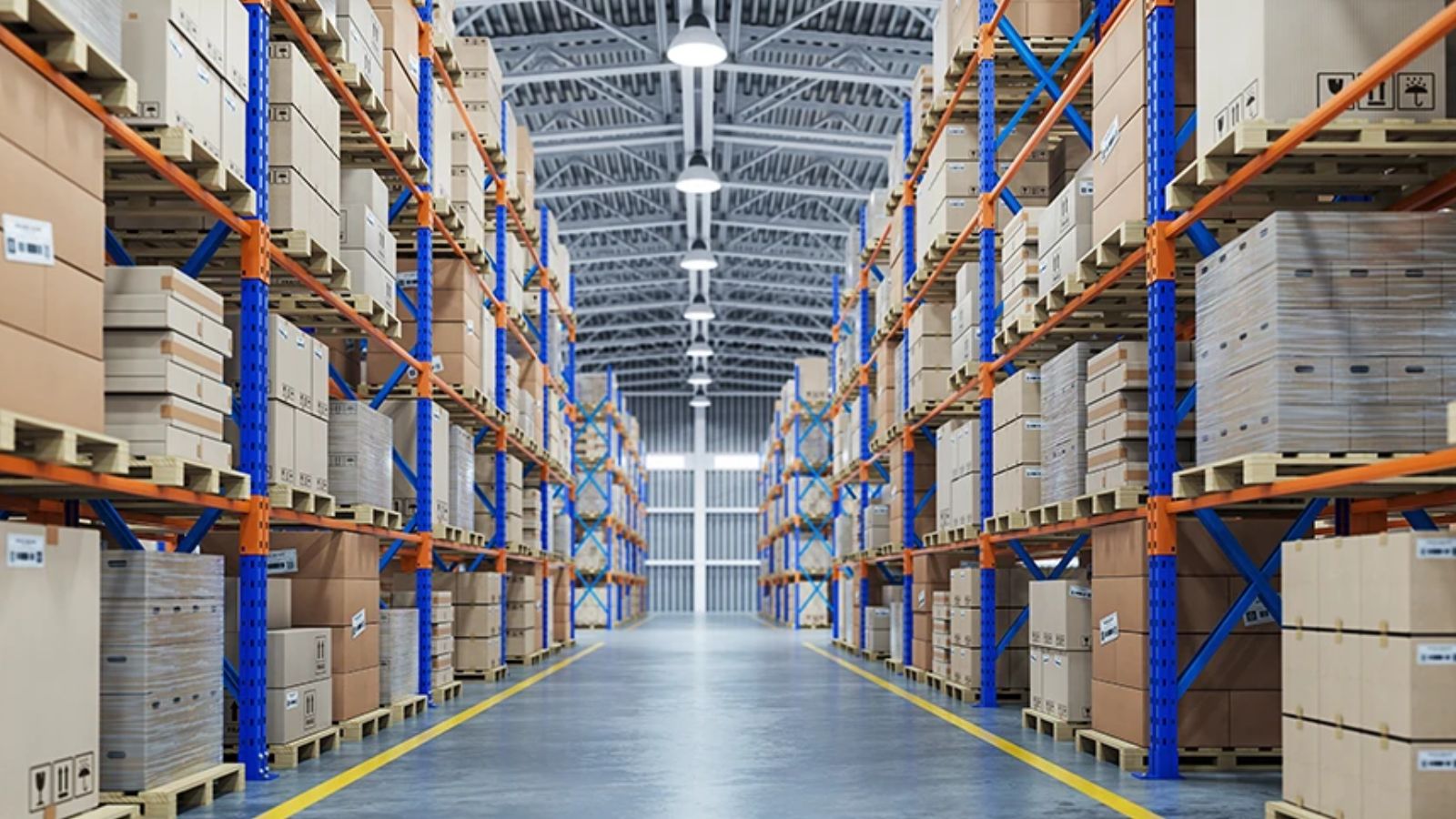
In the logistics industry, warehouse and storage solutions play a crucial role in ensuring the smooth flow of goods from manufacturers to end customers. A well-managed warehouse does much more than store products—it improves delivery speed, protects inventory, reduces operational costs, and helps businesses function efficiently. Today, as e-commerce and fast shipping demands continue to grow, modern warehouse systems have become essential for every logistics company.
Importance of Warehouse and Storage in Logistics
Warehousing is not just about keeping goods in a building; it is a strategic part of the supply chain. Companies use warehouses to maintain stock, store raw materials, manage bulk shipments, and prepare goods for delivery.
Key reasons why warehousing is essential:
- Faster delivery to customers
- Reduced transportation time and cost
- Improved stock availability
- Better order accuracy and packing
- Safe storage for fragile and high-value goods
A well-organized warehouse helps businesses meet customer expectations while ensuring the logistics workflow remains smooth and predictable.
Types of Warehouse Storage Solutions
Logistics companies provide different types of warehousing options based on business needs:
1. Short-Term Storage
Ideal for temporary stock, seasonal inventory, and fast-moving goods. Businesses can store products for a few days or weeks.
2. Long-Term Storage
Used by companies that need months or even years of storage for bulk items, machinery, spare parts, or imported goods awaiting distribution.
3. Temperature-Controlled Warehousing
Essential for:
- Medicines
- Food products
- Chemicals
- Frozen and perishable items
These warehouses maintain constant temperature and humidity to protect sensitive products.
4. Shared (Public) Warehousing
Multiple businesses share the same warehouse space, making it cost-effective for small and medium-sized companies.
5. Dedicated (Private) Warehousing
A single business uses the entire warehouse for its own products. Large companies use this for high-volume storage.
How Warehousing Ensures Efficient Logistics
1. Inventory Management
Modern warehouses use barcode scanning and software systems to track:
- Stock quantity
- Product location
- Expiry dates
- Incoming and outgoing goods
This helps companies avoid stock shortages and overstocking.
2. Order Processing and Packaging
Warehouses handle picking, packing, and labeling orders before dispatch. An organized system reduces errors and ensures faster order fulfillment.
3. Improved Transportation Efficiency
Goods stored closer to delivery areas reduce transit time. Many logistics companies build warehouses near highways, airports, and industrial zones to speed up shipping.
4. Safety and Security
Warehouses offer:
- CCTV surveillance
- Fire safety systems
- Secure loading docks
- Trained staff
This ensures all goods—especially fragile and high-value items—remain protected.
Benefits of Professional Warehousing for Businesses
Businesses that use professional warehouse services enjoy many advantages:
- Cost savings: No need to build or maintain their own storage facilities.
- Scalability: Easy to increase or decrease space as per demand.
- Faster delivery: Goods can be dispatched immediately whenever needed.
- Better inventory control: Reduced chances of damage, loss, or mismanagement.
- Support for e-commerce: Warehouses help manage online orders, returns, and bulk shipping.
Conclusion
Warehouse and storage solutions are the backbone of an efficient logistics system. They ensure goods are stored safely, managed properly, and delivered on time. As businesses grow and customer expectations rise, modern warehousing offers advanced inventory management, temperature-controlled storage, and faster fulfillment. For companies of all sizes—whether small retailers, manufacturers, or e-commerce sellers—professional warehousing improves reliability, reduces cost, and boosts overall operational efficiency.