Cold chain logistics is one of the most critical branches of modern supply chain management. It deals with the transportation and storage of temperature-sensitive products such as medicines, vaccines, dairy items, seafood, frozen foods, chemicals, and agricultural products. Maintaining the right temperature throughout the journey is essential to preserve product quality, safety, and shelf life.
As customer demand for fresh and safe products increases, cold chain logistics has become a vital service for healthcare, food, and retail industries. Advanced technology, special vehicles, and strict monitoring make cold chain operations reliable and efficient.
What Is Cold Chain Logistics?
Cold chain logistics refers to the complete process of storing, handling, and transporting products under controlled temperature conditions. From warehouse to distribution center to final delivery, every stage must maintain the required temperature range (such as -20°C, 0–8°C, or 15–25°C, depending on product type).
A complete cold chain includes:
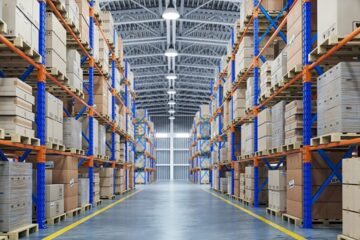
- Refrigerated warehouses
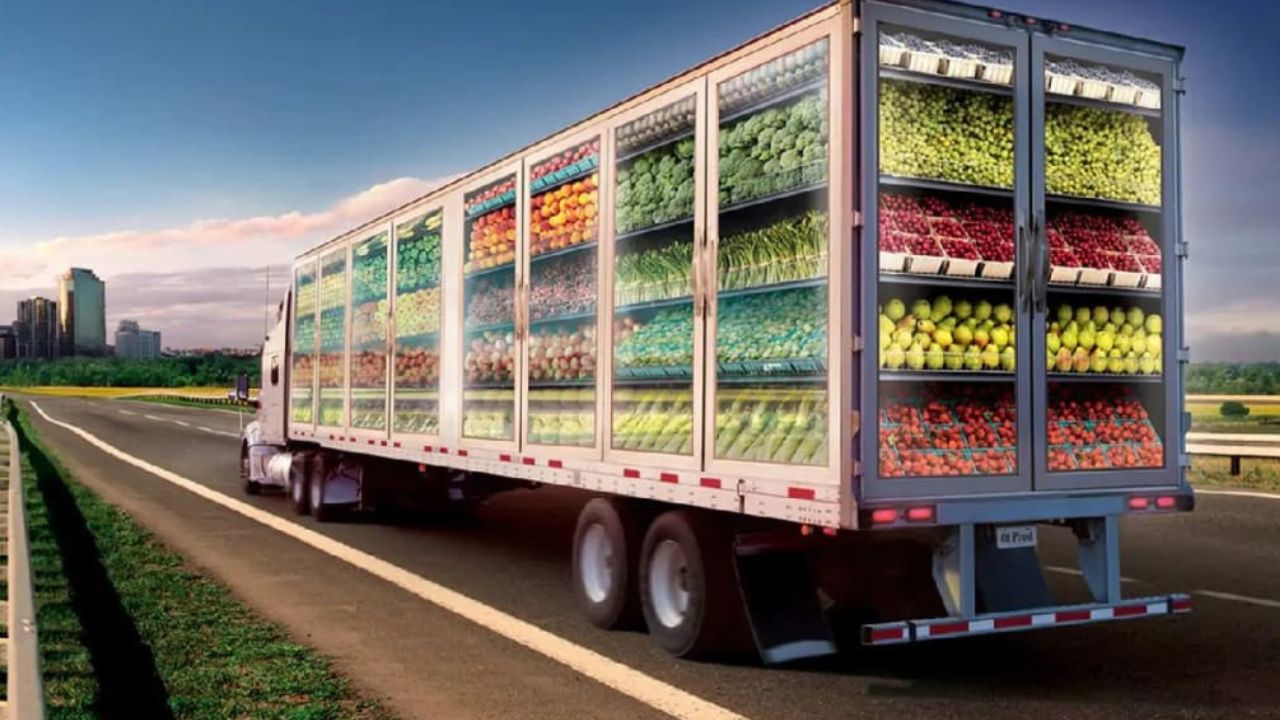
- Reefer trucks
- Insulated packages
- Temperature sensors and monitoring
- Quick loading & unloading
- Special handling procedures
Importance of Cold Chain Logistics
1. Product Safety
Medicines, vaccines, and perishable foods can spoil if the temperature changes even for a short time. Cold chain systems ensure consistent environmental conditions.
2. Quality Assurance
For food and beverages, quality depends on freshness. Temperature-controlled delivery preserves taste, texture, and nutritional value.
3. Compliance with Regulations
Pharmaceuticals and food products must meet strict government guidelines. Cold chain logistics ensures full compliance.
4. Reduced Waste
Proper temperature control reduces spoilage, saving money for businesses and ensuring customers receive safe products.
How Cold Chain Logistics Works
1. Temperature-Monitored Warehousing
Goods are stored in cold storage facilities with advanced cooling systems and real-time monitoring.
2. Specialized Packaging
Insulated boxes, gel packs, dry ice, and vacuum-sealed packaging help maintain temperature during transit.
3. Refrigerated Transport
Reefer vans and refrigerated trucks are used to transport goods while maintaining specific temperature ranges.
4. Tracking & Monitoring
Sensors and IoT-based systems allow logistics teams to monitor temperature throughout the journey.
Industries That Rely on Cold Chain Logistics
- Pharmaceuticals
- Frozen food suppliers
- Dairy & beverages
- Meat & seafood exporters
- Agriculture & floriculture
- Chemical industries
Conclusion
Cold chain logistics ensures that sensitive products reach customers safely and maintain their quality. With advanced technology, temperature monitoring, and trained professionals, cold chain logistics supports major industries and helps build customer trust. As demand for fresh, safe, and high-quality products continues to grow, cold chain services will remain an essential part of the global logistics network.