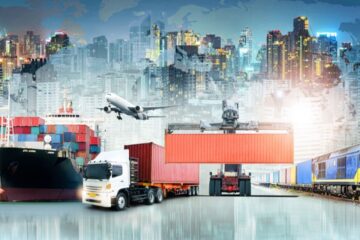
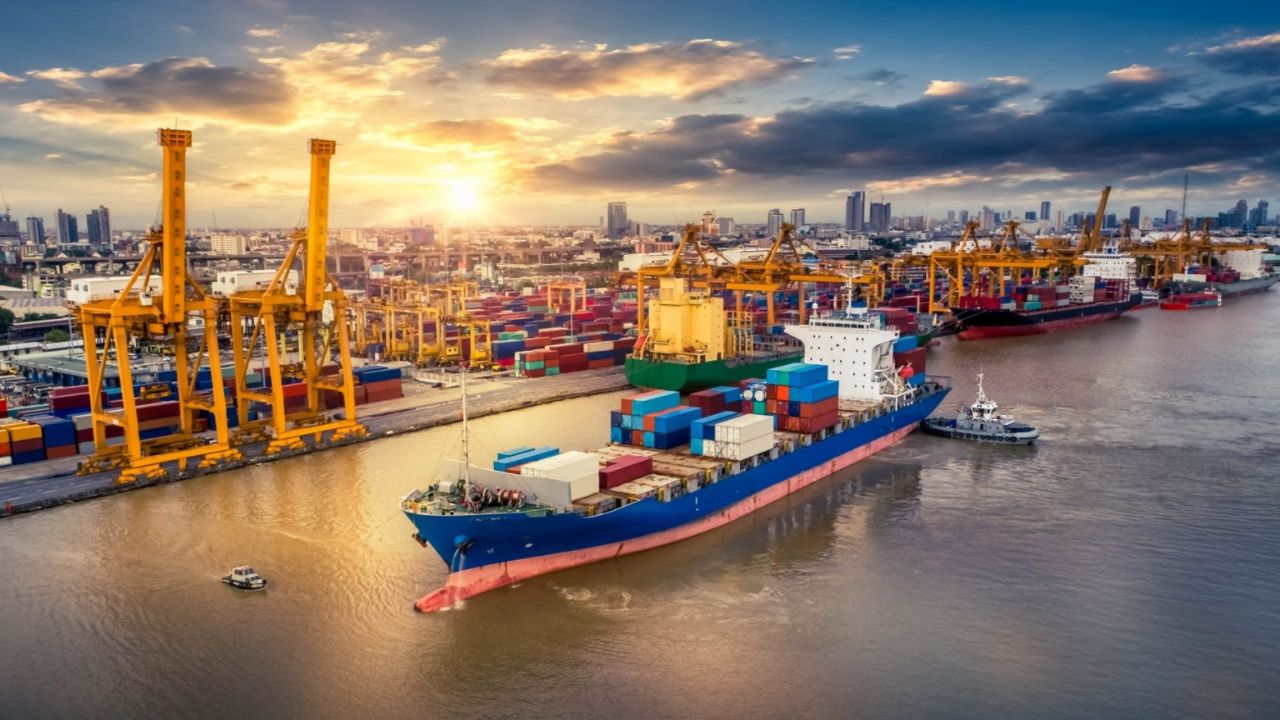
Freight forwarding is one of the most essential services in the global logistics industry. It enables businesses to move goods across borders efficiently, safely, and cost-effectively. Whether shipping a small parcel overseas or transporting multiple full-container loads, freight forwarders ensure that international shipments reach their destination smoothly without delays, penalties, or compliance issues.
As global trade continues to grow, freight forwarding has become the backbone of import–export businesses, e-commerce companies, manufacturers, wholesalers, and distributors. This article provides a complete understanding of what freight forwarding is, how it works, its benefits, types, process, challenges, and the latest technological advancements transforming the industry.
What Is Freight Forwarding?
Freight forwarding refers to the coordination and management of international shipments on behalf of shippers. Freight forwarders act as intermediaries between businesses and transportation carriers (airlines, shipping lines, trucking companies, and rail operators). They do not usually own transportation assets; instead, they plan, book, coordinate, and manage the entire logistics process.
A freight forwarder handles:
- Export/import documentation
- Cargo booking with carriers
- Customs clearance
- Warehousing
- Packaging
- Cargo insurance
- Route planning
- Tracking and delivery
In simple terms, freight forwarders make international transportation hassle-free by taking full responsibility for supply chain coordination.
Why Freight Forwarding Matters in Logistics
International shipping is complex. It involves multiple countries, different rules, customs regulations, taxes, documentation, and risk factors. Freight forwarders simplify this entire process for businesses.
1. Expertise in Global Logistics
Forwarders bring years of experience and connections with international carriers, customs officers, and port authorities.
2. Cost-Efficient Shipping
They negotiate bulk rates with carriers and offer economical solutions.
3. Hassle-Free Customs Clearance
Forwarders manage customs paperwork, duty payments, and inspections.
4. Reduced Risk
They handle insurance, packaging, and safe handling to reduce the chances of damage or loss.
5. Time-Saving
Businesses can focus on trading while freight forwarders manage logistics complications.
Types of Freight Forwarding Services
Freight forwarding services vary depending on the mode of transport, shipment size, country regulations, and urgency.
1. Air Freight Forwarding
Air freight is the fastest shipping method used for:
- Perishables
- High-value goods
- Electronics
- Pharma products
- Urgent deliveries
Air freight forwarders manage air cargo booking, airport handling, customs clearance, and delivery to the final destination.
2. Sea Freight Forwarding
Sea freight is the most economical way to move goods internationally. It includes:
- FCL (Full Container Load)
- LCL (Less than Container Load)
- Bulk cargo
- Ro-Ro shipping
- Project cargo
Sea freight forwarders coordinate container bookings, export-import documentation, port handling, and ocean shipping.
3. Road Freight Forwarding
Road freight is a key component of domestic and cross-border logistics (especially within Asia, Europe, and Middle East). Forwarders offer:
- FTL (Full Truck Load)
- LTL (Less Truck Load)
- Temperature-controlled trucks
- Hazardous goods transport
4. Rail Freight Forwarding
Rail freight is ideal for bulk goods, minerals, raw materials, agricultural products, and intercontinental shipments (e.g., China–Europe rail route).
5. Multimodal Freight Forwarding
In multimodal shipping, forwarders combine multiple transport modes (sea + air + rail + road) under a single contract. This enables:
- Lower cost
- Faster delivery
- Optimized routing
Core Responsibilities of a Freight Forwarder
A professional freight forwarder performs several essential tasks to ensure the smooth movement of goods.
1. Route Planning & Carrier Selection
Forwarders analyze cost, speed, safety, and route reliability to choose the best carriers.
2. Export and Import Documentation
Documents include:
- Bill of Lading
- Airway Bill
- Commercial Invoice
- Packing List
- Certificate of Origin
- Insurance Certificate
- Customs Declaration
These documents are mandatory for cross-border movement.
3. Customs Clearance
Customs laws are different in every country. Freight forwarders ensure:
- Correct HS code classification
- Duty/tax calculation
- Compliance with import/export rules
- Smooth inspection and clearance
4. Cargo Insurance
Forwarders help businesses get marine, air, and inland insurance to protect goods against:
- Damage
- Theft
- Fire
- Water exposure
- Accidents
- Loss during transit
5. Warehousing & Storage
Most freight forwarders offer storage options like:
- Bonded warehouses
- Cold storage
- Container yards
- Short-term & long-term storage
6. Packaging and Labeling
Proper packaging reduces damage and meets regulatory standards. Forwarders ensure:
- Strong packaging
- Weight management
- Correct labeling
- Hazardous goods compliance
7. Tracking and Monitoring
Businesses receive tracking updates in real-time through:
- GPS tracking
- Software dashboards
- Tracking numbers
- Carrier updates
The Freight Forwarding Process (Step-by-Step)
Below is the complete freight forwarding workflow:
Step 1: Export Haulage
Goods are transported from the shipper’s location to the forwarder’s warehouse.
Step 2: Export Customs Clearance
Forwarder prepares documents and obtains customs approval to export the cargo.
Step 3: Origin Handling
This includes:
- Cargo inspection
- Packaging
- Labeling
- Consolidation (LCL)
- Container loading
Step 4: International Transportation
Cargo is transported via air, sea, road, or rail to the destination country.
Step 5: Import Customs Clearance
Upon arrival, forwarder manages:
- Customs declaration
- Payment of duties
- Cargo inspection
Step 6: Destination Handling
Cargo is:
- Unloaded
- Verified
- Sorted
- Prepared for final delivery
Step 7: Final Delivery
Also known as import haulage, this step delivers goods to the consignee’s location.
Benefits of Using Freight Forwarding Services
1. Faster and Reliable Shipping
Forwarders know the best routes and carriers, ensuring quick and safe delivery.
2. Cost Savings
Negotiated freight rates help businesses save significantly on shipping costs.
3. Reduced Documentation Burden
Forwarders handle all paperwork, preventing mistakes that cause cargo delays.
4. Improved Supply Chain Efficiency
Their expertise optimizes inventory flow and ensures timely deliveries.
5. Complete Transparency
Real-time tracking keeps businesses updated at every stage.
6. Lower Risk
Professional packaging, insurance, and safety checks reduce the risk of loss or damage during transit.
Industries That Depend on Freight Forwarding Services
Freight forwarding services are essential for many industries, including:
- E-commerce
- Automotive
- Pharmaceuticals
- Electronics
- FMCG
- Retail
- Machinery
- Apparel and textiles
- Chemicals
- Food and beverages
Each industry requires customized freight forwarding solutions tailored to product type and regulations.
Challenges in Freight Forwarding and How They Are Overcome
Despite its importance, freight forwarding comes with various challenges.
1. Customs Delays
Solution: Accurate paperwork and experienced customs agents.
2. Port Congestion
Solution: Proper scheduling and alternate route planning.
3. Rising Freight Rates
Solution: Long-term carrier contracts and optimized container usage.
4. Documentation Errors
Solution: Automated systems and double verification.
5. Geopolitical Issues
Solution: Multiple routing options and risk analysis tools.
How Technology Is Transforming Freight Forwarding
Modern freight forwarding is becoming digital and automated thanks to advanced technologies.
1. Digital Freight Platforms
These platforms automate booking, quotes, and tracking.
2. Artificial Intelligence (AI)
AI predicts delays, optimizes routes, and improves demand forecasting.
3. Blockchain
Blockchain ensures secure documentation and faster customs clearance.
4. IoT Devices
IoT sensors track:
- Cargo temperature
- Humidity
- Shock and vibration
- Location
5. Robotics & Automation
Automated warehouses speed up handling and reduce errors.
Future of Freight Forwarding
The future of freight forwarding will include:
- Fully digital documentation
- Autonomous shipping
- Drone and robotic deliveries
- Smart ports
- Global real-time supply chain visibility
As global trade continues expanding, freight forwarding will become even more essential.
Conclusion
Freight forwarding is the backbone of international logistics. It streamlines the movement of goods across borders by managing transportation, customs, documentation, warehousing, and insurance. With professional expertise, advanced technology, and global networks, freight forwarders help businesses reduce costs, improve efficiency, and ensure timely deliveries.
Any company involved in importing or exporting products—whether small or large—needs reliable freight forwarding services to operate successfully in the global marketplace.