The logistics sector in India is undergoing a massive transformation driven by innovation, digitalization, and the growing need for faster and more reliable transportation. As industries expand and e-commerce continues its rapid rise, logistics companies must adopt technology to stay ahead. In this blog, we explore how technology is shaping the future of Indian logistics.
1. The Rise of Digital Logistics Platforms
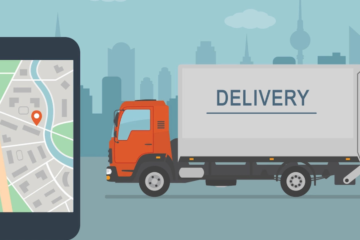
Traditional logistics often involved heavy paperwork, manual tracking, and slow communication. Today, digital logistics platforms are replacing outdated methods with smart automation.
These platforms support:
- Online booking
- Automated billing
- Real-time tracking
- Digital proof of delivery
- Analytics and reporting
This shift enhances speed, accuracy, and customer experience.
2. Use of Artificial Intelligence (AI) and Machine Learning
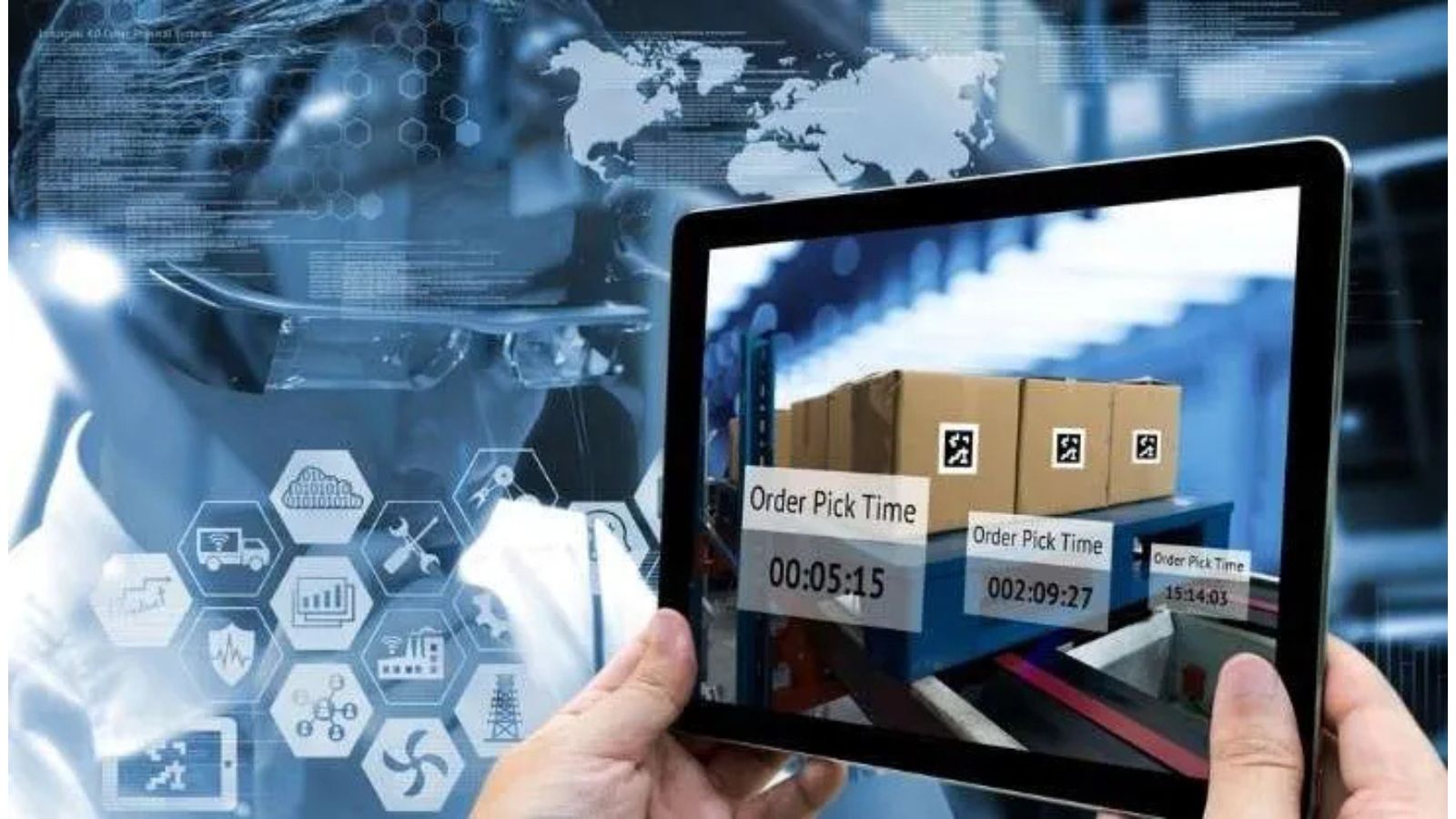
AI and ML are improving logistics planning, forecasting, and route optimization. Through predictive analytics, companies can:
- Forecast demand
- Maintain appropriate inventory levels
- Prevent stockouts and overstocking
- Identify best delivery routes
In metro cities like Delhi, Mumbai, and Bengaluru, AI tools help optimize traffic patterns and reduce delivery times, resulting in significant cost savings.
3. Automation and Robotics in Warehousing
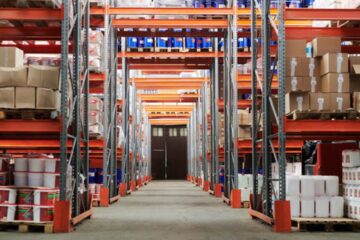
Modern warehouses are adopting robotics and automated systems to handle repetitive tasks such as picking, packing, sorting, and shelving.
Automation benefits include:
- Reduced errors
- Faster order processing
- Higher storage efficiency
- Lower labor costs
E-commerce giants have inspired many Indian logistics firms to upgrade their warehouses with advanced systems to meet growing consumer demand.
4. Internet of Things (IoT) for Smarter Operations
IoT-enabled sensors and devices provide real-time data about vehicles, cargo, and environmental conditions.
Examples include:
- Temperature sensors used in cold chain logistics
- RFID tags for cargo tracking
- GPS devices for fleet management
- Load sensors to prevent overloading
This technology enhances accuracy, safety, and transparency.
5. Blockchain for Transparency and Fraud Prevention
Blockchain introduces tamper-proof records and safe data sharing across the supply chain. It prevents:
- Document forgery
- Unauthorized changes in shipment status
- Fraud in financial transactions
Although in early adoption, blockchain has strong potential to transform the logistics landscape in India.