Technology has completely changed the way the logistics industry works. From manual systems and paperwork to smart automation and real-time data, logistics has evolved into a highly efficient, technology-driven sector. Today, businesses depend on technology to manage operations, reduce costs, and improve customer satisfaction.
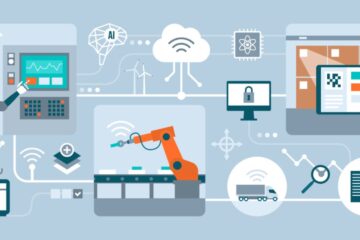
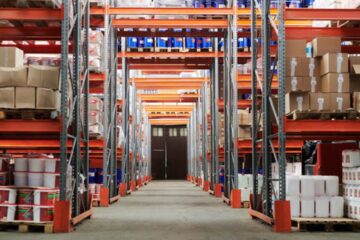
One of the biggest game-changers is automation. Automated warehouses use robots to pick, pack, and organize goods, reducing human error and speeding up operations. These systems ensure accuracy, which is essential when dealing with thousands of shipments daily. Technologies like barcode scanning, RFID tags, and digital inventory management further simplify warehouse operations.
Transportation management has also become smarter. GPS tracking allows companies to monitor vehicles in real time, ensuring timely delivery and safety. Route optimization tools help drivers choose the fastest and most fuel-efficient routes, saving both time and money. Fleet management systems help companies maintain their vehicles and reduce breakdowns.
Artificial Intelligence (AI) and Machine Learning (ML) are transforming decision-making in logistics. These technologies analyze large amounts of data to predict demand, manage inventory, and plan deliveries. For example, AI can forecast which products will be in high demand during certain seasons, helping businesses stock accordingly.
Blockchain technology is another emerging trend. It ensures transparency and security in supply chains by recording every transaction in a tamper-proof system. This builds trust between companies, suppliers, and customers. It is especially useful in industries like pharmaceuticals and food, where product authenticity is important.
Customer experience has improved significantly due to technology. Online tracking systems, automated notifications, and fast delivery options give customers more control. They can track their orders, schedule delivery times, or contact support easily. This level of convenience was not possible a decade ago.
Sustainability is also supported by technology. Electric vehicles, fuel-efficient engines, and eco-friendly packaging reduce environmental impact. Data analytics helps companies reduce energy usage and lower emissions.
In summary, technology has brought speed, accuracy, transparency, and efficiency to the logistics industry. As new innovations continue to emerge, logistics companies must adapt to stay competitive. Those that invest in modern technology will enjoy smoother operations, higher profits, and better customer satisfaction.