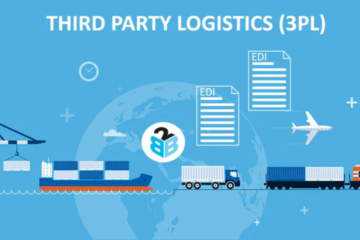

Supply Chain Management (SCM) is one of the most crucial functions in today’s logistics industry. It manages the entire journey of a product—from sourcing raw materials to delivering finished goods to the customer. Effective supply chain management helps companies reduce costs, improve the speed of operations, avoid delays, and achieve better customer satisfaction. In today’s competitive world, businesses need a strong SCM partner who can manage planning, sourcing, production, warehousing, transportation, and final distribution.
This article explains what Supply Chain Management includes, its importance, and the key services logistics companies provide under SCM.
What Is Supply Chain Management?
Supply Chain Management is the process of coordinating and managing the flow of goods, information, and finances from suppliers to manufacturers, distributors, retailers, and finally to customers. It connects all activities of the product lifecycle, ensuring the right product reaches the right customer at the right time.
SCM involves:
- Procurement of raw materials
- Inventory management
- Warehousing
- Manufacturing support
- Transportation
- Distribution
- Demand forecasting
- Supplier and customer coordination
The goal of SCM is to create a smooth, efficient, and cost-effective supply network.
Importance of Supply Chain Management
A strong supply chain is the backbone of any business. Even if a company produces high-quality goods, without proper supply chain coordination, it may face delays, stockouts, inefficiency, and higher operational costs.
Here’s why SCM is important:
1. Reduces Costs
SCM helps businesses reduce procurement costs, storage expenses, transportation charges, and wastage.
2. Improves Delivery Speed
With well-planned logistics and warehousing, goods move faster from manufacturer to customer.
3. Prevents Stock Shortages
By maintaining the right inventory levels, companies avoid stockouts and meet customer demand quickly.
4. Enhances Customer Satisfaction
Timely and accurate deliveries lead to better customer experiences.
5. Strengthens Supplier Relationships
SCM ensures smooth communication and coordination with suppliers.
Key Supply Chain Management Services Offered by Logistics Companies
Logistics companies offer a wide range of SCM services to help businesses run smoothly.
1. Procurement & Supplier Management
SCM providers help businesses select reliable suppliers, negotiate prices, and manage procurement processes. This ensures high-quality raw materials at the best rates.
2. Inventory Management
Managing the right quantity of stock is essential. SCM includes:
- Stock forecasting
- Real-time inventory tracking
- Reorder level alerts
- Safety stock planning
Proper inventory control reduces overstocking, shortages, and storage costs.
3. Warehousing & Distribution
Warehousing is a core part of supply chain management. SCM providers offer:
- Secure storage
- Picking and packing services
- Order fulfillment
- Cross-docking
- Distribution planning
Goods are stored efficiently and delivered to the right location on time.
4. Transportation Management
Transport is the movement of goods across the supply chain. SCM covers:
- Route planning
- Carrier selection
- Freight cost optimization
- Real-time shipment tracking
- Delivery scheduling
Efficient transport reduces delivery time and fuel cost.
5. Demand Forecasting
SCM uses data and analytics to predict customer demand. Forecasting helps in planning production, procurement, and inventory.
6. Reverse Logistics
Returns are a natural part of business. SCM providers manage:
- Product returns
- Repairs
- Recycling
- Disposal
This keeps customers satisfied and reduces waste.
7. Technology Integration
Modern SCM uses advanced technologies such as:
- Warehouse Management Systems (WMS)
- Transportation Management Systems (TMS)
- RFID/barcode tracking
- IoT sensors
- Cloud-based data systems
Technology increases accuracy and transparency across the supply chain.
Benefits of Outsourcing Supply Chain Management
Businesses that outsource SCM gain multiple advantages:
- Lower operational costs
- Faster delivery times
- Access to professional expertise
- Reduced risk of delays or errors
- Improved scalability
- End-to-end supply chain visibility
With expert logistics partners, businesses can focus on product development and growth instead of managing daily operations.
Conclusion
Supply Chain Management services have become essential for modern businesses. A strong SCM system ensures smooth procurement, perfect inventory levels, efficient warehousing, timely deliveries, and customer satisfaction. With the support of a skilled logistics partner, companies can streamline their entire supply chain, reduce costs, and achieve long-term success.