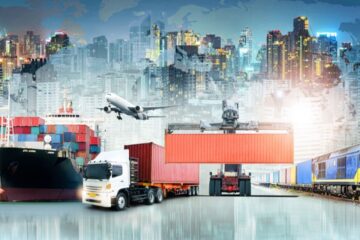
Transportation Management is one of the core pillars of modern logistics. It includes the planning, execution, and optimization of the physical movement of goods from one location to another. For every business—whether it’s retail, FMCG, manufacturing, e-commerce, automotive, or pharmaceuticals—efficient transportation services are essential to maintain supply chain flow, reduce delivery costs, and enhance customer satisfaction.
What Is Transportation Management?
Transportation management refers to the end-to-end coordination of all transportation activities required to move goods through the supply chain. It includes managing fleets, selecting carriers, route optimization, tracking shipments, ensuring timely deliveries, reducing freight costs, and managing documentation.
In the logistics industry, transportation management is usually supported by advanced Transportation Management Systems (TMS), enabling companies to streamline operations and improve efficiency.
Types of Transportation Used in Logistics
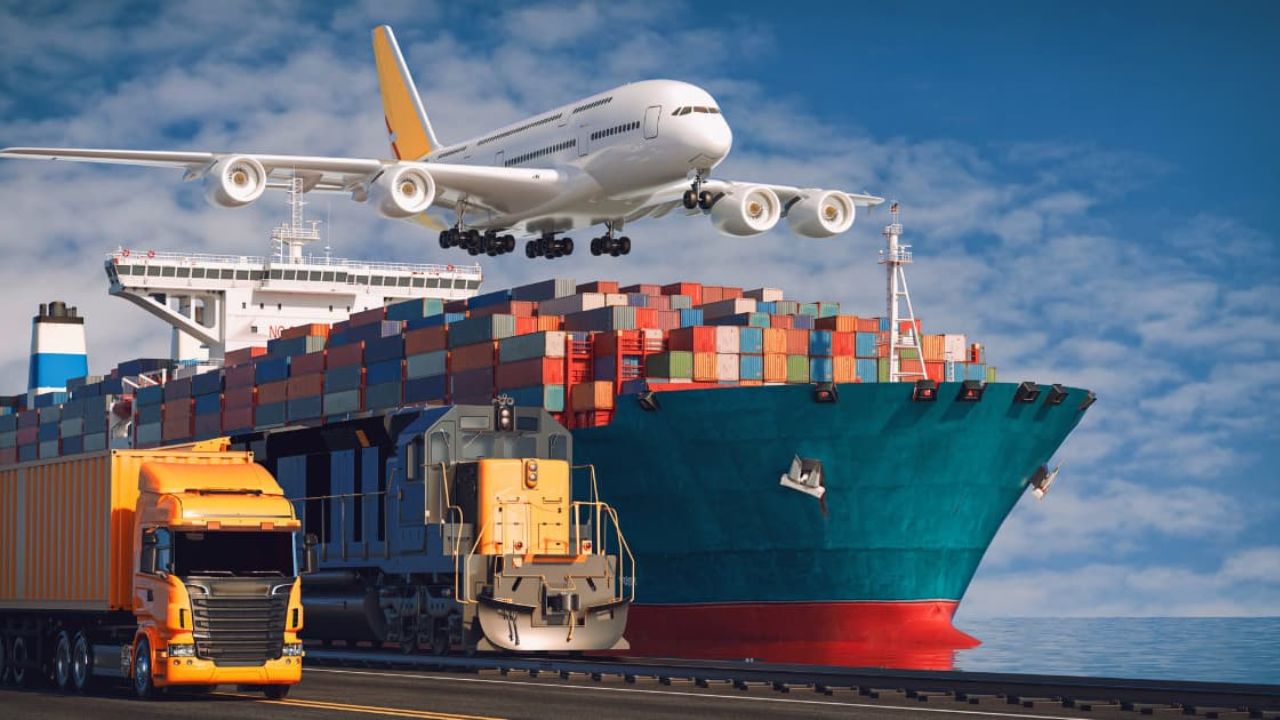
A strong logistics company typically offers multiple transport modes:
1. Road Transportation
Road transport is the most commonly used mode in India due to flexible route access and relatively low cost. Trucks, mini-trucks, tempos, and trailers are extensively used for short and long-distance movement.
2. Rail Transportation
Railways are ideal for bulk goods, heavy cargo, coal, iron, agricultural produce, and raw materials. They provide economical and stable transport for businesses looking to minimize costs.
3. Air Transportation
Air freight is the fastest but most expensive transportation mode, suitable for emergency shipments, high-value items, and perishable goods such as medicines and electronics.
4. Sea Transportation
Sea freight is essential for international logistics. It includes container shipping, bulk shipping, and Ro-Ro services for automobiles.
Importance of Transportation Management Services
Transportation management is vital because:
- It reduces delivery delays
- Cuts operational and freight costs
- Ensures accuracy in shipment
- Improves customer experience
- Supports real-time tracking
- Enables faster decision-making
Key Services Offered Under Transportation Management
1. Route Optimization
Using technology, logistics companies find the most efficient and shortest route to deliver goods faster while saving fuel.
2. Freight Cost Management
Companies negotiate with carriers for lower rates and provide cost-effective transportation solutions.
3. Real-Time Shipment Tracking
GPS-enabled tracking helps customers monitor shipment status live.
4. Documentation & Compliance
From e-way bills to GST documents, logistics experts ensure complete compliance.
5. Multiple Carrier Management
A single logistics company handles various carriers and transport options, saving clients time and effort.
Challenges in Transportation Services
Even the most efficient logistics systems face challenges:
- Poor road infrastructure
- Weather uncertainties
- High fuel prices
- Driver shortages
- Traffic and delays
- Compliance issues
How Technology is Transforming Transportation Services
Modern logistics depends heavily on technology like:
- GPS Tracking
- AI-based route optimization
- TMS software
- Electronic Proof of Delivery (e-POD)
- IoT-enabled fleet management
- Digital freight platforms
Conclusion
Transportation Management Services form the backbone of the logistics supply chain. With technology, skilled drivers, well-maintained fleets, and strong carrier networks, logistics companies can offer efficient transportation solutions that save money, reduce delays, and boost business operations.