In today’s fast-paced business environment, timely delivery, visibility, and transparency have become essential elements of logistics operations. Whether a company deals in e-commerce, manufacturing, retail, or international trade, the ability to monitor shipments in real time can significantly improve customer satisfaction and operational efficiency. Real-time tracking is no longer an optional feature but a core need in modern logistics. This blog explores why real-time tracking has become a game changer across the logistics industry.
1. Enhanced Visibility Throughout the Supply Chain
Visibility is one of the biggest challenges in logistics. Traditional systems relied on periodic updates, manual entries, and phone confirmations to determine shipment status. This often resulted in delays and miscommunication.
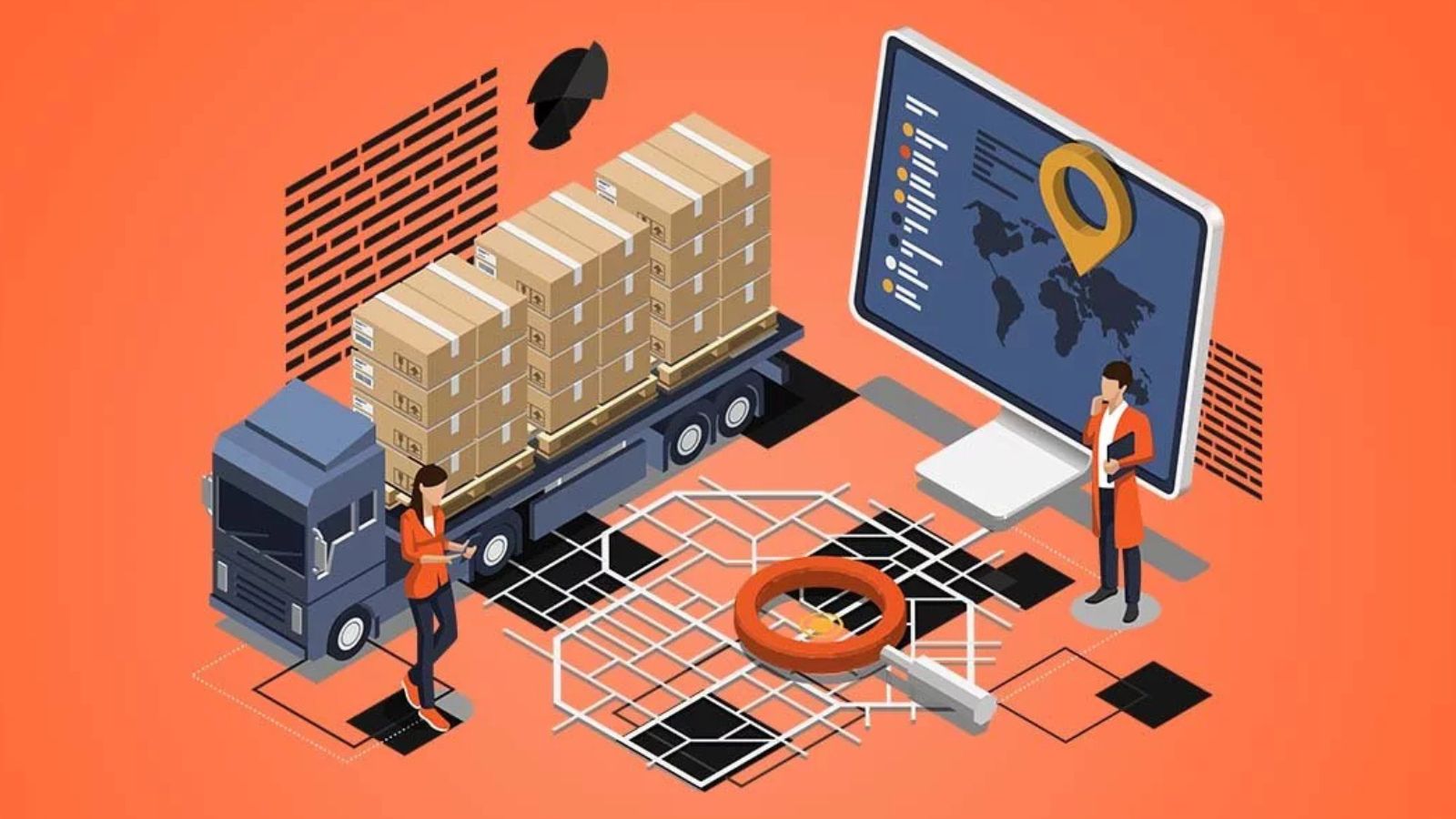
With real-time tracking, every movement of a shipment is monitored through GPS, RFID, IoT sensors, and digital tools. Companies can view the exact location, estimated time of arrival, and transportation conditions.
Enhanced visibility helps businesses:
- Plan inventory with more accuracy
- Optimize routing and delivery schedules
- Communicate proactively with customers
This level of clarity reduces uncertainty and builds trust between logistics providers and clients.
2. Improved Customer Satisfaction
Customers today expect transparency from order to delivery. Whether it is an online customer tracking an order or a large enterprise monitoring raw materials, real-time tracking empowers both parties with accurate, up-to-date information.
This supports:
- Faster query resolution
- Reduced anxiety related to delivery
- Higher customer retention and loyalty
Providing customers with tracking portals or automated SMS/Email updates adds a professional touch that distinguishes a company from competitors.
3. Reduced Delays and Faster Problem Solving
Unexpected delays—such as traffic, vehicle breakdowns, weather disruptions, or route errors—are inevitable in logistics. However, real-time tracking helps companies act immediately when an issue arises.
Operations teams can:
- Re-route vehicles
- Inform clients instantly
- Arrange alternative transport
By responding quickly, logistics companies minimize downtime and avoid cascading supply chain disruptions. Timely interventions also reduce financial losses caused by delayed shipments.
4. Better Resource Optimization
Real-time data enables logistics managers to optimize their fleets, drivers, and fuel usage. By studying tracking insights, companies can identify:
- Inefficient routes
- High fuel consumption areas
- Idle times and delays
This data-driven approach lowers operational costs and increases the lifespan of vehicles. Fleet management becomes smoother, more efficient, and more predictable.
5. Ensuring Security and Reducing Theft
Theft and pilferage remain significant concerns in logistics, especially for high-value or sensitive goods. Real-time tracking adds a layer of security by monitoring:
- Vehicle locations
- Door openings
- Route deviations
- Cargo temperature (for cold chain logistics)
Alerts help logistics teams take quick action, recover shipments, and ensure tamper-proof operations.